Flooring Specialists — Vinyl & Laminate Inspections
Vinyl Plank Floor Inspection for LVP, SPC, and Laminate Floors
A vinyl plank floor inspection is an independent evaluation of a vinyl plank floor and the concern raised about it. This page covers luxury vinyl plank (LVP) and SPC rigid-core products — the headline services here — and, on a case-by-case basis, laminate flooring. Each floor is assessed on its own condition, in the specific property, within an agreed scope.
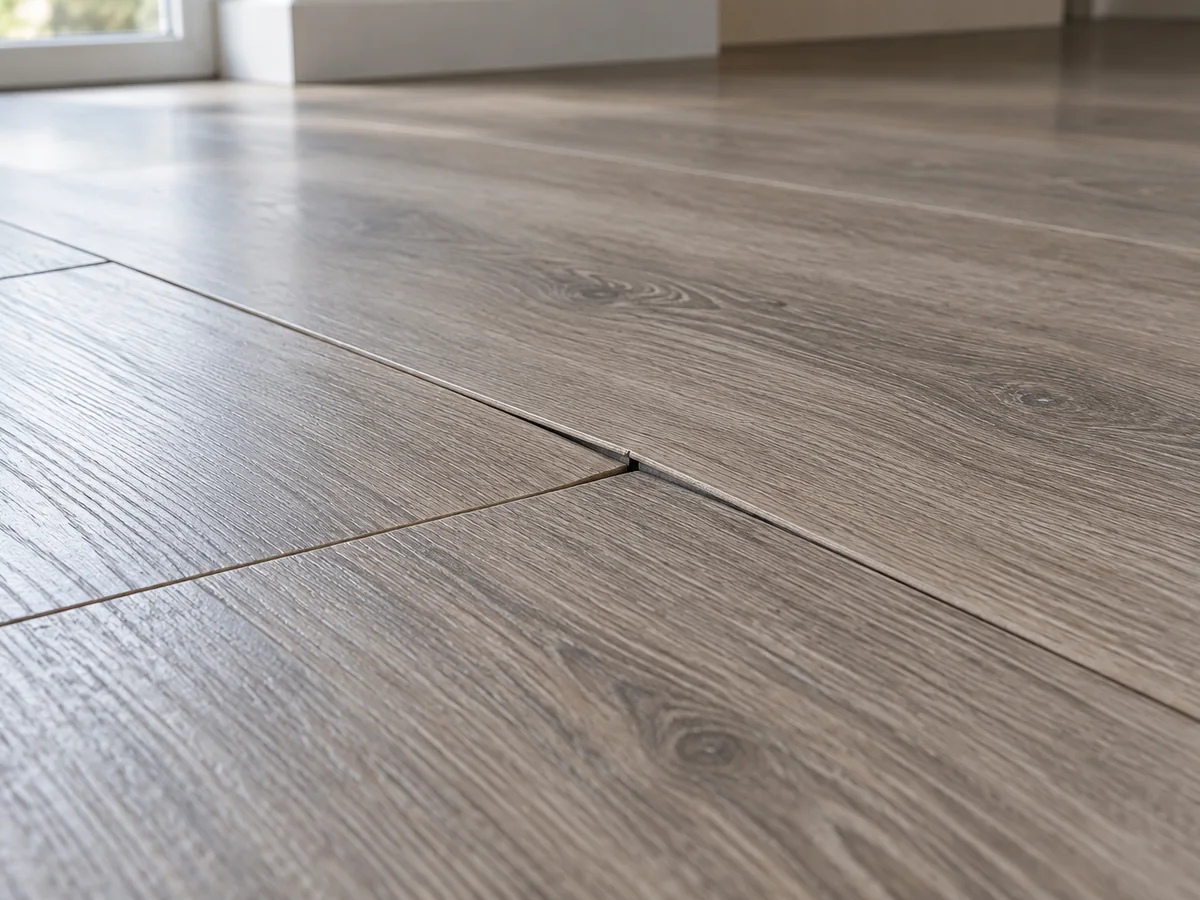
Concerns a vinyl plank floor inspection can assess
Separation
Planks or boards pulling apart at the joints — end joints opening, rows drifting, or gaps appearing where none were expected — are a common reason for an inspection. The inspection documents where separation is occurring and how widespread it is.
Movement underfoot
Flooring that moves, flexes, bounces, or feels hollow or uneven raises questions about the floor, the surface beneath it, and how it sits in the room. An inspection assesses the movement itself rather than assuming its explanation.
Edge lifting and joint concerns
Edges or corners lifting, joints peaking, and planks or boards that no longer sit flat can affect both how the floor looks and how it performs. These concerns are recorded in detail, including their pattern across the floor.
Appearance and surface concerns
Pattern variation, surface wear or damage, and areas that do not match the rest of the floor can be assessed and documented so the client has a clear record to discuss with a retailer, installer, or builder.
Installation and subfloor questions
Many LVP, SPC, and laminate concerns involve questions about installation or about the subfloor — the surface the flooring sits on. An inspection can evaluate, where appropriate to the agreed scope:
- How the flooring has been laid and how the joints are performing.
- The observable condition and flatness-related behaviour of the floor as found.
- Whether moisture conditions appear relevant to the concern, and whether evaluating them should be part of the agreed scope.
How these products are made and installed is documented by the resilient flooring industry itself — see the Resilient Floor Covering Institute’s guidance on flexible LVP and LVT for background on construction and installation methods.
This page does not prejudge those questions. Separation, movement, and edge lifting can each arise in more than one way, and the same product can behave differently in different properties. The inspection reports what is observed, and the written findings discuss the possible causes the evidence supports.
Findings depend on the agreed scope, site conditions, and available information.
LVP, SPC, and laminate — one page, three products
These products are grouped here because clients usually describe the concern (“my plank floor is separating”) rather than the product category. For the record:
- LVP (luxury vinyl plank) — flexible vinyl plank flooring. A headline inspection material.
- SPC (stone plastic composite) — rigid-core vinyl plank flooring. A headline inspection material.
- Laminate — a separate product category with a plank or board format and its own joint systems. Laminate is not a headline service: the product and concern are reviewed first to determine whether the work fits the assignment. Where it does, a laminate floor inspection assesses the concerns on this page — separation, movement, edge lifting, and installation or subfloor questions — in the same way.
The inspection is scoped to the product actually installed at your property and the concern you describe — you do not need to know which category your floor falls into before inquiring.
Who asks for a vinyl plank floor inspection?
Homeowners dealing with a separating or moving floor; builders and property managers who need a documented, independent assessment; manufacturers needing a floor evaluated on site; and attorneys needing professional findings. In each case the work is the same: clear observations, appropriate testing within the agreed scope, and understandable written findings.
Other flooring types: Hardwood & Engineered Wood Inspections · Tile Inspections
Frequently asked questions
My laminate floor is the problem, not vinyl. Does a vinyl plank floor inspection cover it?
Possibly — laminate is handled case by case rather than as a headline service. Describe the product and the concern when you inquire; the product and concern are reviewed first to determine whether the work fits the assignment, and that is confirmed when scope is discussed, before anything is booked.
The planks are separating in only one room. Is that still worth an inspection?
It can be. A concern limited to one area is still recorded and assessed in the same way, and a localised pattern is itself useful information when possible causes are considered.
Will the inspection decide whether the product or the installation is responsible?
The inspection reports observations and discusses the possible causes the evidence supports. It does not start from a conclusion about a product or an installer, and it cannot guarantee the outcome of a warranty or claim question.
Do I need to lift or remove any flooring before the inspection?
No — do not alter the floor before it is inspected. The floor as found is the evidence. If anything further is needed, it will be discussed when scope is confirmed.
Request a vinyl plank floor inspection
Describe the floor and what it is doing — separating, moving, lifting at the edges — and we will confirm scope, fee, and scheduling with you before any visit.