Flooring Specialists — Hardwood Inspections
Hardwood Floor Inspection for Wood and Engineered Wood Floors
A hardwood floor inspection is an independent evaluation of a solid hardwood or engineered wood floor and the concern raised about it. If your wood floor is gapping, cupping, moving, or simply not looking the way it should, an inspection gives you clear observations, appropriate testing, and written findings you can understand — without the cause being decided in advance.
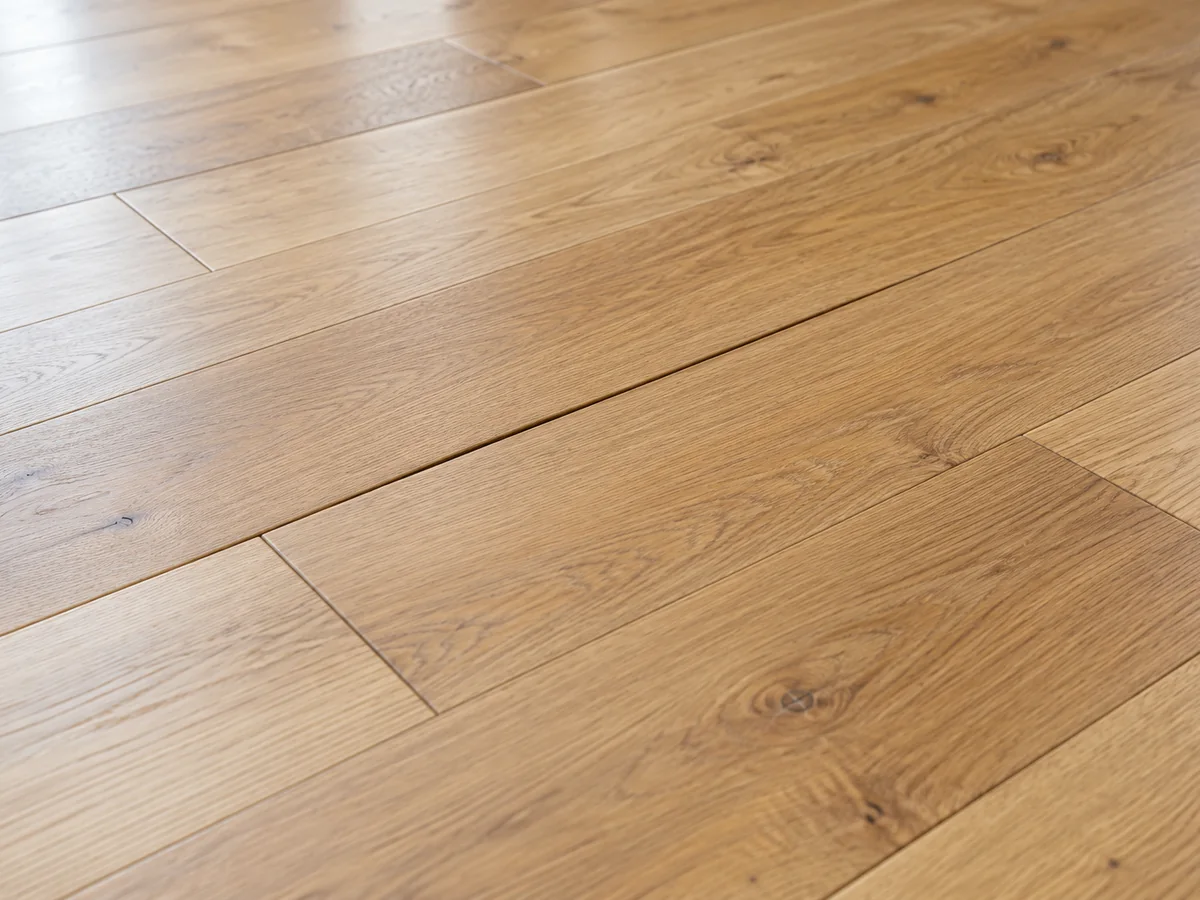
Concerns a hardwood floor inspection can assess
Gapping
Gaps opening between boards are one of the most common reasons for an inspection. Gapping can be a concern in itself, and it can also be information — its pattern, width, and distribution are all observations an inspection records before any conclusion is discussed.
Cupping and surface change
Cupping — boards raised at the edges and lower in the centre — changes how a floor looks and feels. An inspection documents where it occurs, how pronounced it is, and what conditions are present, rather than assuming a single explanation for it.
Movement and sound
Floors that move, flex, creak, or feel uneven underfoot raise questions about the floor, what is beneath it, and how it was installed. An inspection assesses the movement itself and the areas where it occurs.
Appearance concerns
Colour variation, finish appearance, surface damage, and boards that do not look consistent with the rest of the floor can all be assessed and documented, so a client can discuss the floor with a retailer, installer, or builder from a clear record.
Installation questions
Where the question is whether the floor was installed as it should have been, an inspection examines the floor as found and reports observations relevant to installation — without starting from the assumption that installation is, or is not, the explanation.
How a hardwood floor inspection approaches cause
Wood responds to its environment and its conditions of use, and more than one factor can be present in the same floor. For that reason:
- No concern on this page is paired with a ready-made cause. Gapping, cupping, and movement each have more than one possible explanation.
- The inspection records observations first — the condition of the boards, the pattern of the concern, and conditions at the property.
- Testing is carried out where appropriate to the agreed scope, which may include evaluating moisture conditions where that is relevant to the concern. It is not presented as required for every wood floor.
- The written findings discuss the possible causes the evidence supports, and say plainly where the evidence does not settle a question.
Where recognised guidance is needed, inspectors work from industry technical guidance, such as the National Wood Flooring Association’s technical guidelines, which cover the hardwood flooring industry, including inspectors and consultants.
Findings depend on the agreed scope, site conditions, and available information.
Who asks for a hardwood floor inspection?
Homeowners with a concern in their own home; builders responsible for a floor in a completed property; property managers documenting a condition; manufacturers needing an independent assessment; and attorneys needing professional findings on a wood floor. The approach — observe carefully, test where appropriate, explain clearly — is the same in each case.
What you receive
Written findings covering what was observed in the floor, any testing carried out within the agreed scope, and a plain-language discussion of the findings and their possible causes. Scope, fee, and scheduling are confirmed before the visit, so the inspection is agreed in advance — not improvised on the day.
Other flooring types: Vinyl & Laminate Inspections · Tile Inspections

NWFA Member · NWFA Certified Wood Flooring Inspector
David Craig is a member of the National Wood Flooring Association and an NWFA Certified Wood Flooring Inspector. See his NWFA inspector directory listing.
Frequently asked questions
Does a hardwood floor inspection cover engineered wood as well?
Yes. Engineered wood is assessed on this page’s service — many of the same concerns (gapping, movement, appearance, installation questions) arise in engineered floors, and the inspection is scoped to the specific floor and concern you describe.
My floor only gaps at certain times. Is that worth inspecting?
It can be. A concern that comes and goes is still a concern worth documenting, and describing when it appears is useful information for scoping the inspection. Do not assume a seasonal pattern proves a particular cause — that is a question for the findings, not a starting assumption.
Will the inspection say whether the installer is at fault?
The inspection reports observations and findings, and discusses possible causes the evidence supports. It does not begin with a conclusion about any party, and it does not guarantee how a warranty, claim, or legal question will be decided.
What should I describe when I request a hardwood floor inspection?
The type of wood floor if you know it, where the concern is, what you are seeing (gapping, cupping, movement, appearance), and when you first noticed it. That is enough to start the scope conversation.
Request a hardwood floor inspection
Tell us what your wood floor is doing, and we will confirm scope, fee, and scheduling with you before any visit.