Flooring Specialists — Inspection Services
Flooring Inspection Services, Explained Clearly
A flooring inspection is an independent, on-site evaluation of a floor and the concern raised about it. This page explains what a flooring inspection involves, the types of inspections available, how moisture and subfloor questions are evaluated, who commissions inspections, and what the written report gives you — so you can decide whether an inspection is the right next step.
For the short version and the full range of services, start at Home.
What a flooring inspection is — and is not
An inspection is an assessment, not a repair and not a sales call. Its job is to establish what can be observed about the floor, carry out appropriate testing within the agreed scope, and explain the findings and their possible causes in writing.
An inspection is not:
- A quote to fix or replace the floor.
- A guarantee about a warranty, insurance, or claim outcome.
- A conclusion decided before the floor has been seen.
Types of flooring inspection
Inspections by flooring type
Most inspections are organised around the floor itself:
- Hardwood and engineered wood — gapping, cupping, splits, movement, finish changes, appearance, and installation questions. Hardwood floor inspection
- Vinyl plank (LVP/LVT, including rigid core and SPC) — cracked or broken edges, open joints, separation, movement, edge lifting, and installation or subfloor questions. Vinyl plank floor inspection
- Tile — cracking, grout concerns, lippage (height differences between tiles), bonding, hollow-sounding areas, and workmanship concerns. Tile floor inspection
- Carpet, laminate, and other materials — these are not headline services. For carpet, laminate, or another material, the product and concern are reviewed first to determine whether the work fits the assignment.
- Stone — stone inspections are not offered. The Tile page covers ceramic and porcelain tile. Tile floor inspection
Consulting
Alongside inspections, David Craig provides flooring consulting — professional advice for clients who need informed judgment on a flooring question before, or instead of, a formal inspection. That advice is grounded in documented observations: what has been examined, measured, and recorded about the floor, rather than general opinion.
Expert-witness assignments
Expert-witness work is focused on California flooring matters. Depending on what is agreed in the engagement, it may include technical review, a site inspection, report preparation, consultation, and testimony. That kind of engagement is agreed separately and on its own terms.
An inquiry through this website does not itself establish an expert-witness engagement.
Moisture and subfloor evaluation in a flooring inspection
Many flooring concerns involve questions about moisture or the subfloor — the surface beneath the finished floor. Where it is appropriate to the concern and the agreed scope, an inspection can include evaluating moisture conditions and the state of the subfloor, and considering how they may relate to what is happening in the finished floor above.
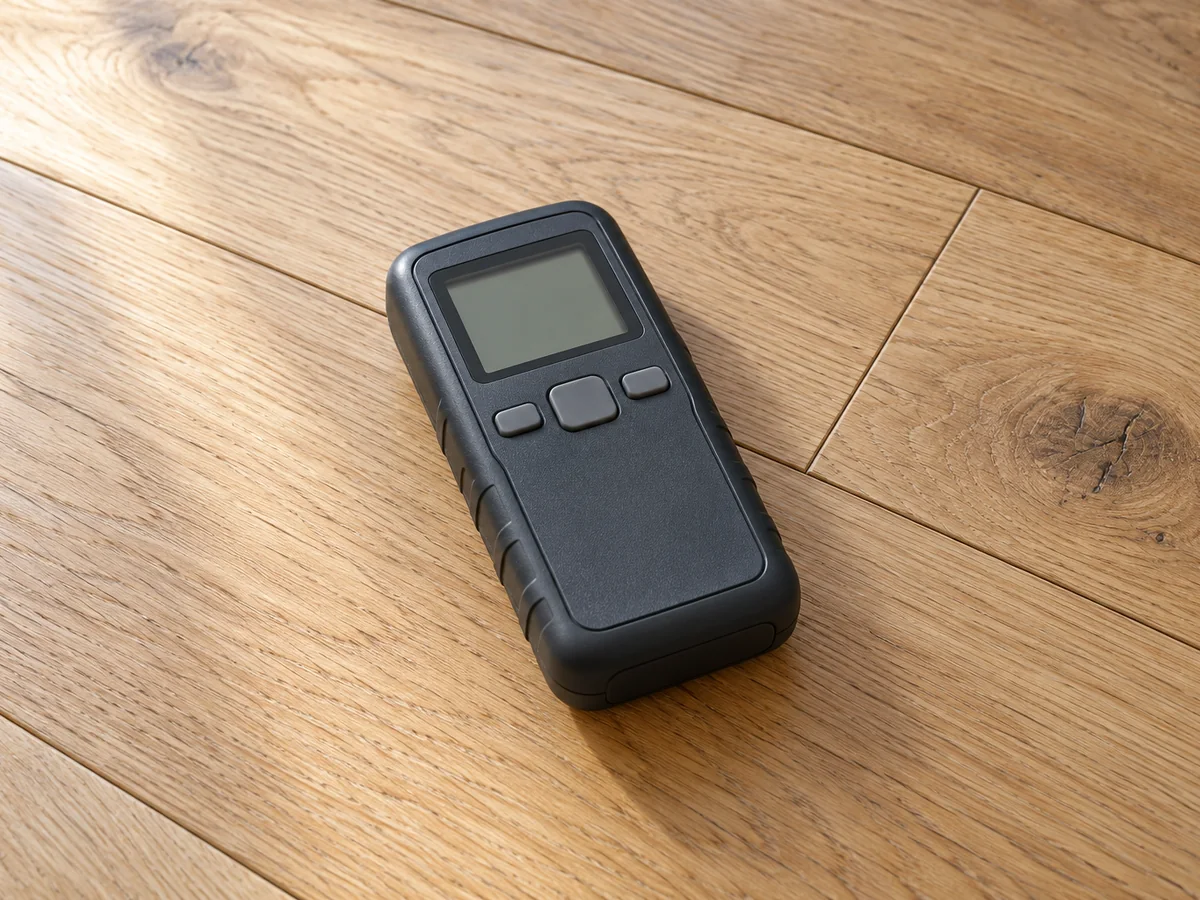
Two points matter for honesty:
- Moisture or subfloor evaluation is not required for every inspection. It is included where the concern and the agreed scope call for it, drawing on published test methods from standards bodies such as ASTM International where they apply.
- A moisture or subfloor finding is one piece of evidence, not a verdict on its own. It is reported alongside the other observations so the full picture can be judged.
If testing is relevant to your concern, that is discussed when scope is confirmed — before the visit, not during it.
Who commissions a flooring inspection?
- Homeowners — who want to understand a concern in their own home before deciding what to do.
- Builders — who need an independent view of a floor in a property they built or are responsible for.
- Contractors and installers — who need a floor they worked on, or are asked about, assessed independently.
- Retailers — who need a sold or installed floor evaluated on site.
- Property managers — who need documented findings for a property they manage.
- Manufacturers — who need a floor and its condition assessed independently.
- Insurers — who need documented, independent findings about a floor’s condition.
- Attorneys — who need professional findings, and in some cases an expert-witness engagement, for a matter involving flooring.
Whoever commissions it, the inspection is carried out with independent professional judgment, and the findings are the findings — regardless of which party asked for them. The inspections are carried out by flooring inspector David Craig himself.
What the written report includes
The written report is the main product of a flooring inspection. Its purpose is to be understandable to a reader who is not a flooring specialist. A report sets out:
- The concern as it was presented, and the agreed scope of the inspection.
- Clear observations of the floor and the relevant areas of the property.
- Any testing carried out within the scope, and what it showed.
- The findings, explained in plain language.
- A discussion of the possible causes the evidence supports — and, where the evidence is limited, a clear statement of that.
- Photographs of the reported condition, the relevant measurements taken, and the project records reviewed.
- A clear separation between direct observations and information supplied by others — the report shows which is which.
- The limits of the inspection: findings depend on the agreed scope, site conditions, and available information.
The report explains the documented condition and the evidence behind the analysis. It does not promise a warranty decision, settlement, insurance determination, or legal result.
The process, step by step
Tell us your concern
Describe the floor, where it is, and what you are seeing. Photographs or documents are not required to start, though anything you already have can help shape the scope discussion.
Confirm scope and schedule
Scope, fee, and scheduling are confirmed before the visit. You will know what the inspection will and will not cover, and what it will cost, before it is booked.
Inspection and written findings
The inspection is carried out within the agreed scope, and the written findings follow.
Frequently asked questions
How is a flooring inspection different from an installer’s or retailer’s visit?
An independent flooring inspection assesses the reported condition through observations, relevant testing, and available records within the agreed scope. The report explains the findings, their basis, and any limitations so the parties can review the evidence.
Does every flooring inspection include moisture testing?
No. Testing is appropriate testing — carried out where the concern and the agreed scope call for it. If moisture evaluation is relevant to your floor, it will be part of the scope confirmed before the visit.
Can an inspection be arranged for a floor I do not own?
Yes, in principle — builders, property managers, manufacturers, and attorneys regularly commission inspections of floors in properties they are responsible for or involved with. Access to the property is arranged as part of confirming scope and schedule.
What if my concern is not listed on this page?
Describe it anyway. Flooring concerns do not always fit a tidy category, and the scope discussion is where we work out whether an inspection fits.
Request a flooring inspection
If you have a concern about a floor, the next step is a short conversation about scope. Request a flooring inspection and we will confirm scope, fee, and scheduling with you before any visit.