Flooring Specialists — Independent Floor Inspections
Professional Floor Inspection Services
When a floor does not look, feel, or perform the way it should, it can be hard to know what is actually going on — or what to do next. Our floor inspection services give you clear observations, appropriate testing, and independent professional judgment, explained in understandable written findings. You tell us the concern. We help you understand the floor, the findings, and the possible causes.
NWFA Member · NWFA Certified Wood Flooring Inspector
David Craig is a member of the National Wood Flooring Association and an NWFA Certified Wood Flooring Inspector. See his NWFA inspector directory listing.
An independent look at a flooring concern
A flooring problem often comes with more than one opinion — from an installer, a retailer, a builder, or an insurer. An independent inspection is different. It is not a sales visit and it is not a repair quote. It is a careful look at the floor itself: what can be observed, what can be tested where appropriate, and what those findings do — and do not — show.
David Craig operates Flooring Specialists and provides flooring inspections, flooring consulting, and expert-witness assignments. The consulting is grounded in the same documented observations as an inspection: advice on a flooring question, given from what has been examined and recorded, rather than from general opinion alone.
Why clients ask for an inspection
- They have a concern and want it assessed on its own merits, not argued about.
- They need written findings they can understand and share with the other parties involved.
- They want to understand a flooring concern and its possible causes before deciding on repairs, replacement, or a claim.
- They need an independent professional view for a dispute, a warranty question, or a legal matter.
Floor inspection services by flooring type
Different floors raise different questions. Start with the page closest to your concern:
Inspection Services — the full picture
What inspections involve, who commissions them, and what a written report includes.
Read more about inspection services
Hardwood & Engineered Wood Inspections
Gapping, cupping, movement, appearance, and installation questions in wood floors.
Read more about hardwood floor inspectionVinyl & Laminate Inspections
Separation, movement, and edge lifting in LVP and rigid-core vinyl floors; laminate concerns are reviewed case by case.
Read more about vinyl plank floor inspectionTile Inspections
Cracking, grout, lippage, bonding, and workmanship concerns in tile floors.
Read more about tile floor inspection
Common concerns that lead to an inspection
Most inquiries start with something a client can see or feel:
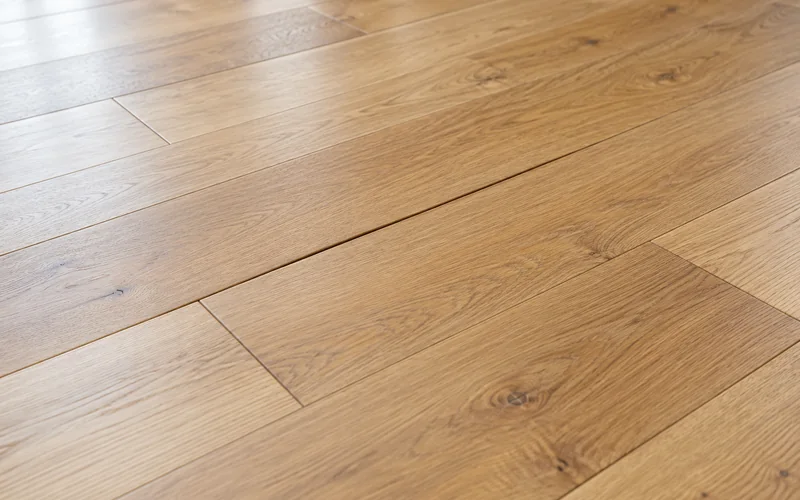
- GappingBoards or planks opening up at the joints.
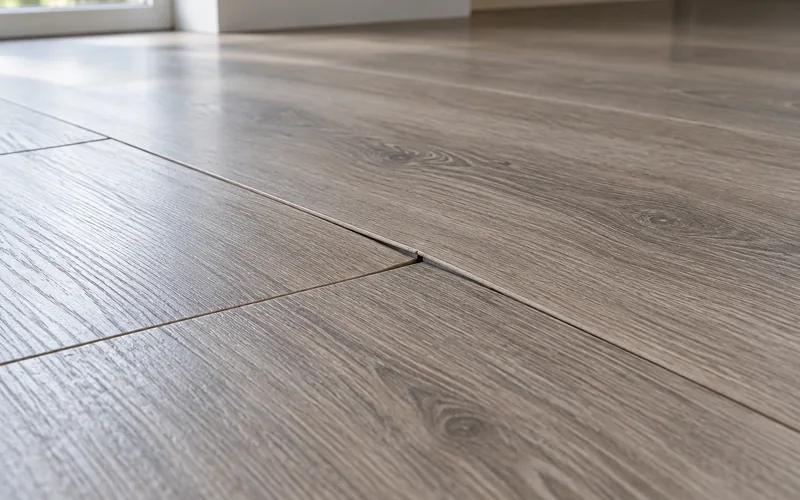
- SeparationSections of flooring pulling apart or coming loose.
- CuppingWood boards raised at the edges, lower in the middle.
- MovementFlooring that shifts, flexes, or feels uneven underfoot.
- Moisture questionsConcerns about water, damp subfloors, or moisture-related change.
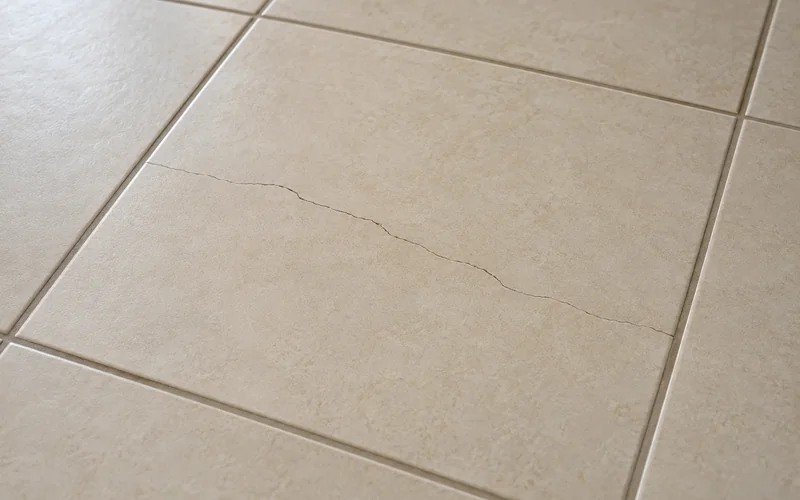
- Tile or grout concernsCracking, loose tile, or grout that is failing.
Naming the concern does not name its cause. The same visible symptom can have different explanations, and working out which ones the evidence supports is the point of the inspection.
How requesting floor inspection services works
Tell us your concern
Call and describe the floor and the problem in a few words. That is enough to start.
Confirm scope and schedule
We discuss the concern with you and confirm the scope of the inspection, the fee, and the schedule before any visit. Nothing is booked by the inquiry alone.
Inspection and written findings
The floor is inspected within the agreed scope, using clear observations and appropriate testing. You receive written findings in plain, understandable language.
Start here: Request an Inspection
What clients receive
An inspection is only useful if you can act on it. After the visit you receive written findings that:
- Describe what was observed at the property, in clear language.
- Record any testing carried out as part of the agreed scope.
- Include photographs, relevant measurements, and project records from the inspection, with direct observations kept separate from information supplied by others.
- Set out the findings and discuss the possible causes the evidence supports.
- State the limits of the inspection honestly.
Findings depend on the agreed scope, site conditions, and available information. The terminology and standards used across the inspection field are informed by inspection-industry standards bodies such as the IICRC, whose standards work covers the inspection industries.
Industry resources: the National Wood Flooring Association (NWFA) publishes technical guidelines for wood flooring, and its consumer site offers a homeowner’s handbook and maintenance guidance for looking after a wood floor.
About David Craig
David Craig is the owner and operator of Flooring Specialists in Folsom, California, which he has operated since 2015. He works as a sole proprietor and conducts inspections himself, for homeowners, property managers, builders, contractors and installers, retailers, manufacturers, insurers, and attorneys. His background is in flooring installation: before Flooring Specialists he owned and operated A-1 Flooring, Inc. in Folsom (2006–2015), and his published profile traces his installation career back to an apprenticeship that began in 1989.
His verified qualifications include completing the Advanced Ceramic Tile & Hardwood Flooring Inspector Training and Certification Course recorded by Certified Flooring Inspectors University / the Institute for Floor Covering Inspectors International in July 2018, and attending the National Wood Flooring Association’s Intermediate Installation school (2016) and Intermediate Sand & Finish class (2017) in San Jose. He is also listed as a contributor to Floor Detective, an industry resource for flooring inspection and claims information. He is an NWFA Member and an NWFA Certified Wood Flooring Inspector.
His approach is straightforward: examine the reported condition, document what he finds, test where appropriate, and explain the findings so a non-specialist can follow them.
Service coverage
Inspections are arranged across Northern California, including Sacramento and the San Francisco Bay Area; in Reno and Sparks, Nevada; around Lake Tahoe; in Las Vegas; and in Southern Oregon. Inspections take place at the property, by arrangement. Availability and travel are confirmed for each assignment, before scope, fee, or scheduling are agreed. More detail is on the About David Craig page.
- Northern California
- Sacramento
- San Francisco Bay Area
- Reno
- Sparks
- Lake Tahoe
- Las Vegas
- Southern Oregon
Frequently asked questions
What do floor inspection services actually include?
A visit focused on your concern, clear observations of the floor, testing where appropriate to the agreed scope, and written findings that explain what was found and the possible causes it points to. The exact scope is confirmed with you before the visit.
How much does an inspection cost?
There is no fixed fee published here, because the right scope depends on the floor, the concern, and the property. Scope, fee, and scheduling are confirmed before the visit, so you know the cost before anything is booked.
Will an inspection tell me exactly what caused the problem?
It will give you professional findings based on what can be observed and tested. Sometimes the evidence supports a clear conclusion; sometimes it narrows the possibilities. Findings depend on the agreed scope, site conditions, and available information, and the report explains that honestly rather than overstating a conclusion.
Who can request an inspection?
Homeowners, property managers, builders, contractors and installers, retailers, manufacturers, insurers, and attorneys all commission inspections. The process is the same: tell us your concern, confirm scope and schedule, then receive the inspection and written findings.
Does calling book an inspection?
No. Calling starts a conversation. It does not itself book an inspection or establish an expert-witness engagement — scope, fee, and scheduling are confirmed with you first.
I am not sure which floor type page fits my problem. What should I do?
Start with Inspection Services for the full picture, or simply request an inspection and describe the floor as best you can. We will confirm the right scope with you.
Have a flooring concern? Start with a conversation.
Call to request a floor inspection and describe what you are seeing. Scope, fee, and scheduling are confirmed before any visit — and there is no obligation from asking.