Flooring Specialists — Tile Inspections
Tile Floor Inspection for Tile Flooring Concerns
A tile floor inspection is an independent evaluation of a tiled floor and the concern raised about it — cracking, grout problems, uneven tiles, bonding questions, or workmanship concerns. The inspection documents the floor as found, evaluates the concern within an agreed scope, and provides written findings in language a non-specialist can follow.
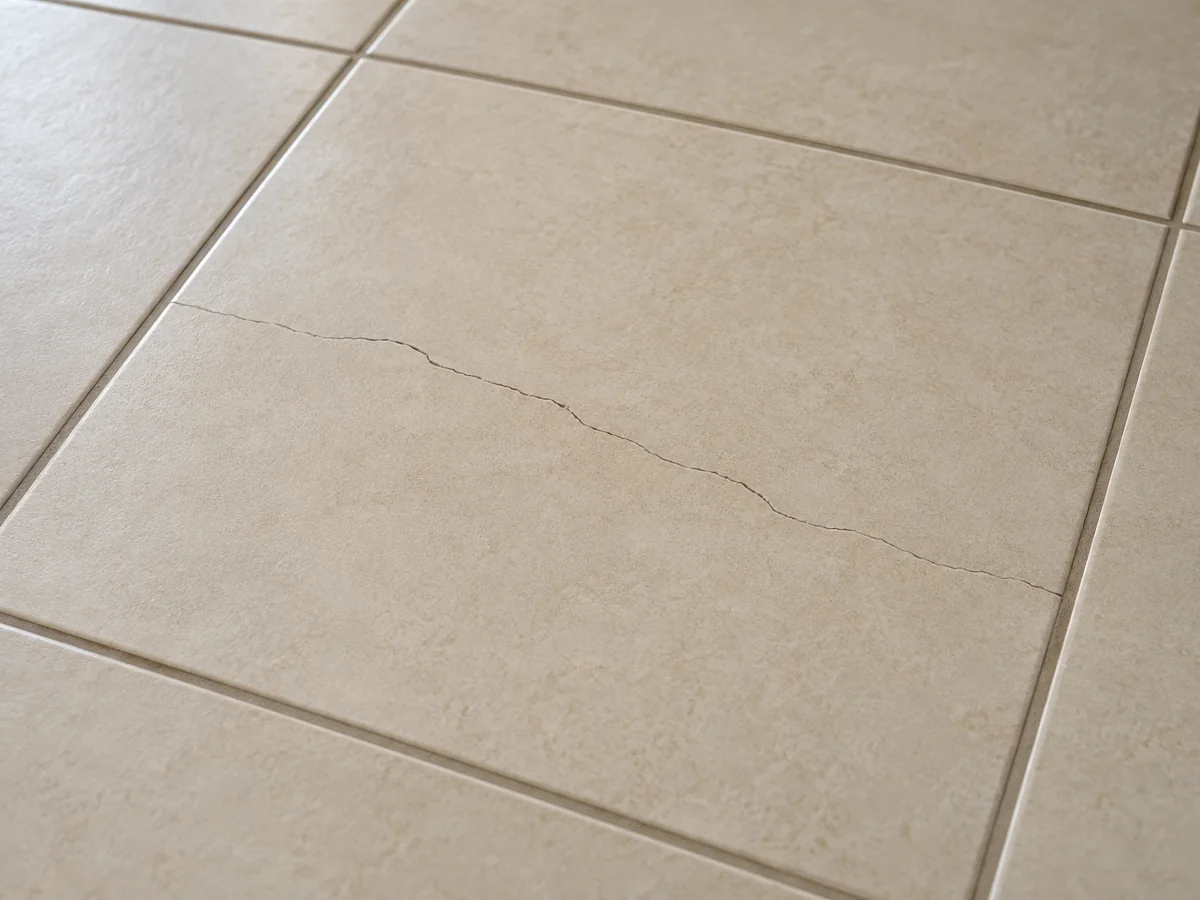
Concerns a tile floor inspection can assess
Cracking
Cracked tiles, or cracking that follows grout lines or patterns across a floor, are recorded tile by tile and area by area. The pattern of cracking is information — an inspection documents it carefully before any question of cause is discussed.
Grout concerns
Grout that is cracking, crumbling, separating from tile edges, or failing in patches can be assessed and documented, including how widespread the concern is and which joints are affected.
Lippage and unevenness
Lippage — one tile edge sitting higher than its neighbour — affects how a floor looks, feels, and is used. An inspection evaluates where lippage occurs and how pronounced it is, and records the condition of the floor as found.
Bonding and loose tile
Tiles that sound hollow, move, or have come loose raise questions about bonding. An inspection assesses the affected areas and documents the extent of the concern across the floor.
Workmanship questions
Where the question is the quality of the installation work — alignment, spacing, finish, or the concerns listed above viewed together — an inspection provides an independent record of the floor as installed, without starting from a conclusion about the installer. Recognised installation references such as the TCNA Handbook describe the standard installation specifications against which workmanship questions are commonly framed.
How cause is handled for tile floors
Tile concerns often sit at the meeting point of several factors: the tiles themselves, the materials and methods used to set them, and the surface and structure beneath. Because of that:
- This page does not match any concern to a single cause. Cracking, grout failure, lippage, and bonding problems can each arise in more than one way.
- The inspection records observations first — the condition, pattern, and extent of the concern.
- Testing or further evaluation is carried out where appropriate to the agreed scope, not as a fixed routine for every tiled floor.
- The written findings discuss the possible causes the evidence supports, and state the limits of what could be assessed: findings depend on the agreed scope, site conditions, and available information.
Scope — tile only
Stone flooring: David Craig does not offer stone inspections. This page covers ceramic and porcelain tile.
Who asks for a tile floor inspection?
Homeowners with cracking or failing grout; builders and property managers needing documented findings for a property; manufacturers requiring an independent on-site assessment; and attorneys needing professional findings on a tiled floor. The standard is the same for each: independent judgment, clear observations, and findings explained in writing.
Other flooring types: Hardwood & Engineered Wood Inspections · Vinyl & Laminate Inspections
Frequently asked questions
Only a few tiles are cracked. Is a tile floor inspection proportionate?
It can be. A small number of cracked tiles can still raise a real question about the floor, and an inspection also records the condition of the surrounding floor, which helps put the cracking in context. Proportion is part of the scope discussion — you will know what the inspection covers and what it costs before it is booked.
Will the inspection say whether the tiler did the work properly?
The inspection documents the floor as found and discusses findings and their possible causes, including workmanship questions where the evidence supports them. It does not begin with a verdict about any tradesperson.
Can a tile inspection assess a shower or wall tiling as well as a floor?
Describe everything you are concerned about when you inquire. What is included is set by the agreed scope, confirmed before the visit — this page describes floor inspections, and any extension beyond the floor needs to be confirmed rather than assumed.
Should I regrout or repair anything before the inspection?
Where it is safe to do so, preserve the condition until the inspection scope is discussed; regrouting or repairs can change evidence. Address immediate safety or property-protection needs first, document any changes, and note when the concern first appeared.
Request a tile floor inspection
Tell us what you are seeing — cracking, grout failure, lippage, loose tile — and we will confirm scope, fee, and scheduling with you before any visit.